Construction Site Toilets
Rugged, jobsite-ready portable restrooms in Wynne, AR.
- ✓ Flexible Delivery Scheduling
- ✓ Heavy-Duty Build
- ✓ Weekly Servicing
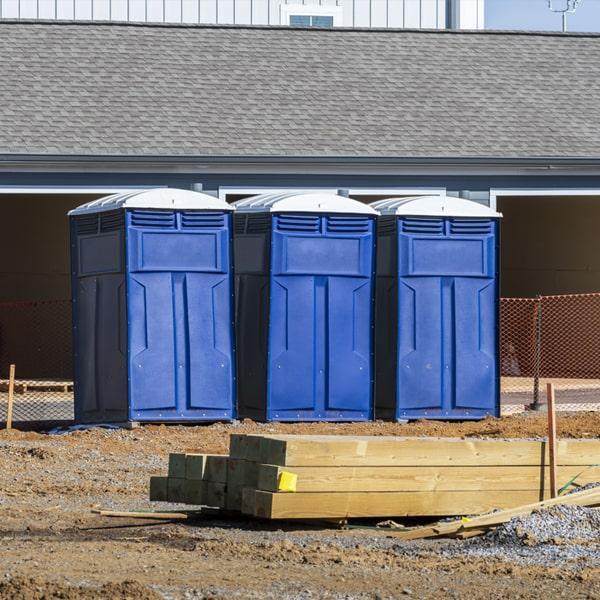
Rugged, jobsite-ready portable restrooms in Wynne, AR.
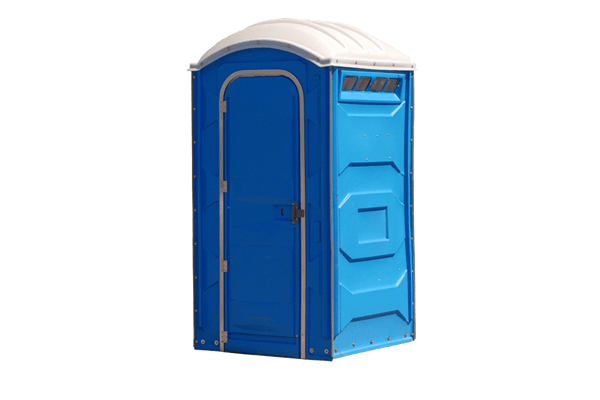
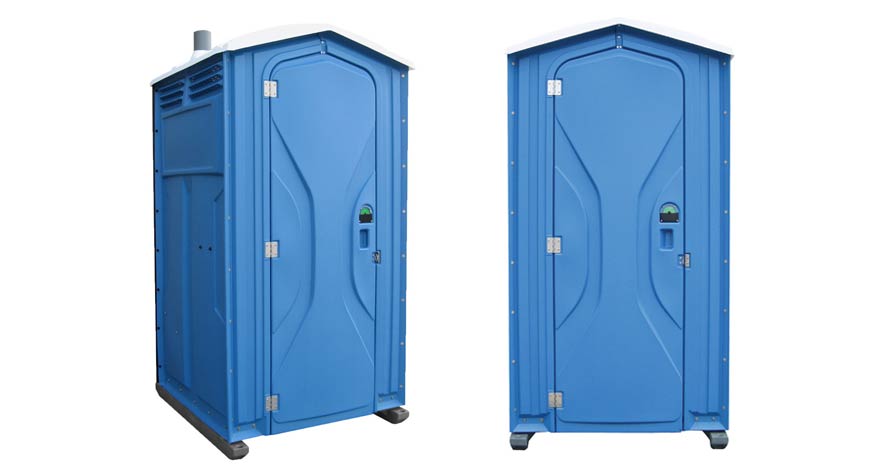
Construction restroom planning should match the way a jobsite will actually operate. Begin with the number of workers expected during a typical day, then consider subcontractors, inspectors, delivery personnel, and temporary crews who may be present during busy phases. A project with a small steady crew has different needs from a site where several trades overlap, and the expected duration can affect the rental discussion. Share whether the project is a short repair, a renovation, a new build, a road or utility-related job, or another temporary work location, without relying on a generic crew estimate that may change quickly. If headcount will rise for concrete work, framing, finishing, or another project stage, mention that timeline in the quote request. Placement should protect both access and safety. Select an area that workers can reach without walking through active excavation, equipment routes, material staging, or restricted zones. The location should be reasonably level and should not obstruct trucks, machinery, fire access, or a gate that must remain clear. It is useful to identify the preferred entrance, site contact, parking arrangement, and any security procedures before scheduling is discussed. Include information about unpaved access, soft soil, narrow driveways, overhead lines, locked gates, and changing site conditions. Construction sites can look very different from one week to the next, so a current site description is valuable. Where possible, keep the approach to the restroom clear of stored lumber, pallets, debris, cords, and parked equipment. A straightforward route helps crews use the facility without disrupting work areas or creating unnecessary hazards.
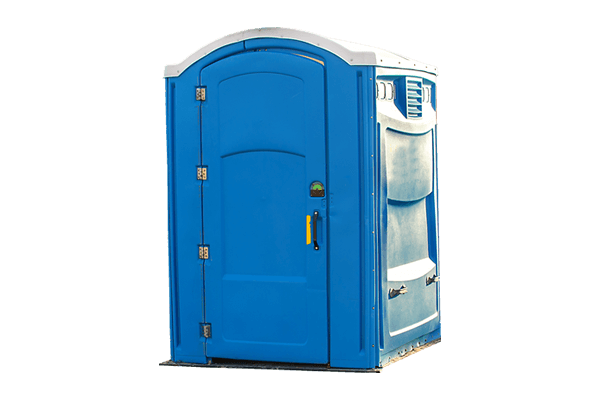
Rental duration and servicing questions deserve attention before the project begins. Explain the anticipated start and end dates, normal workdays, crew size, and whether the job will continue through weekends or have periods of unusually heavy activity. If the project is extended, reduced, or divided into phases, those changes can be addressed through the quote and scheduling conversation rather than assumed in advance. Service frequency depends on factors such as unit use, crew count, and rental duration, so ask about it based on the actual job requirements. Keep a designated project contact available to communicate site changes, especially if access moves from one entrance to another or if a new hazard affects the original placement area. For sites with workers or visitors who need ADA access, raise that requirement when requesting the quote. An accessible unit and a usable route are separate planning considerations; muddy ground, deep gravel, steep grades, barriers, and clutter can limit practical access. Weather can also affect a construction restroom location. Rain may soften unpaved ground, while seasonal work can change traffic patterns and where equipment is staged. Reviewing the location after major site changes can help the project team maintain a sensible setup. To request information from Wynne Porta Potty, provide the Wynne-area project address, contact details, expected crew count, project timeline, site hours, and access notes. Call (870) 452-2100 or email info@wynneportapotty.com. Calls are accepted 24/7 for telephone intake only. Scheduling and availability are confirmed when the quote request is reviewed, so avoid making assumptions about delivery dates or ongoing service arrangements until they are confirmed.